
As someone who’s been following K-Pop Idols for years, I’ve always wondered about the authenticity of what we see. Are these perfectly choreographed performers, always smiling for cameras, really as flawless as they appear? The more I’ve observed the industry, the more I’ve realized how dramatically Korean media swings between extremes—one day praising as “perfect,” the next day painting them as problematic.
This dichotomy isn’t just fascinating from a cultural perspective; it reveals something deeper about how we construct and deconstruct celebrity in the digital age. The Korean media doesn’t just report on K-Pop. It actively shapes the narrative, creating gods and sinners with equal fervor.

The Manufacturing of Perfection
The idol we see on stage is the result of years of meticulous engineering. From elemetary student trainees, these individuals undergo rigorous training not just in vocals and dance, but in language skills, variety show appearances, and even personality development. Each member gets assigned a “character”—the cute “maknae(“막내” : youngest member in Korean)”, the charismatic leader, the quirky mood-maker. It’s strategic brand development disguised as artistic expression.
Korean media serves as the primary amplifier in this process. They get paid for pre-debut teasers and promotional articles that build anticipation months before a group even releases their first song like NewJeans and any other Idol groups. Once active, idols are showcased across music shows and variety programs such as youtube channels that highlight their most endearing qualities while keeping their private lives completely off-limits. Even daily activities like commuting to work or airport fashion become curated performances for public consumption.

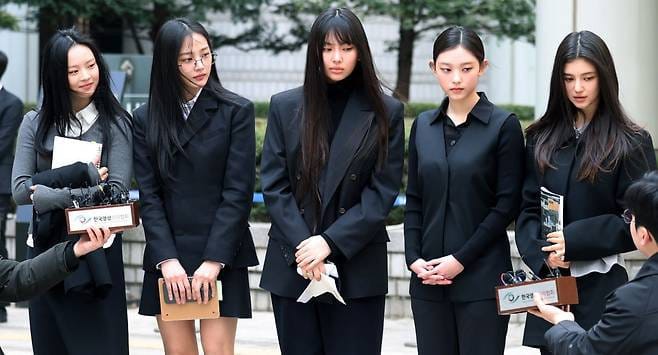
The recent legal battles involving both NewJeans and FIFTY FIFTY have been particularly revealing in this regard. The NewJeans-ADOR-HYBE dispute exposed how even the most “authentic” image of youthful creativity and freedom is actually a carefully contested corporate asset. Media coverage shifted from music to boardroom politics, framing the members not as artists but as valuable commodities caught in executive warfare.
Similarly, FIFTY FIFTY’s legal dispute with their agency ATTRAKT over contract terms and profit distribution showed how quickly media narratives can shift. Initially portrayed as rising stars with a Cinderella story, they were later depicted as ungrateful artists who bit the hand that fed them. The media’s framing influenced public opinion dramatically, with fans taking sides based largely on how the story was presented rather than the legal merits of the case.
When Idols Become Human: The Narrative of the Fall
The carefully constructed image can be crumbled overnight. Nothing sells quite like an idol’s fall from grace, and Korean media has perfect skill of the public takedown. Dating scandals, bullying allegations, attitude controversies. These become feeding frenzies that transform beloved stars into cautionary tales. And at this point, The media get paid, in return of solving or downplaying and hiding problems
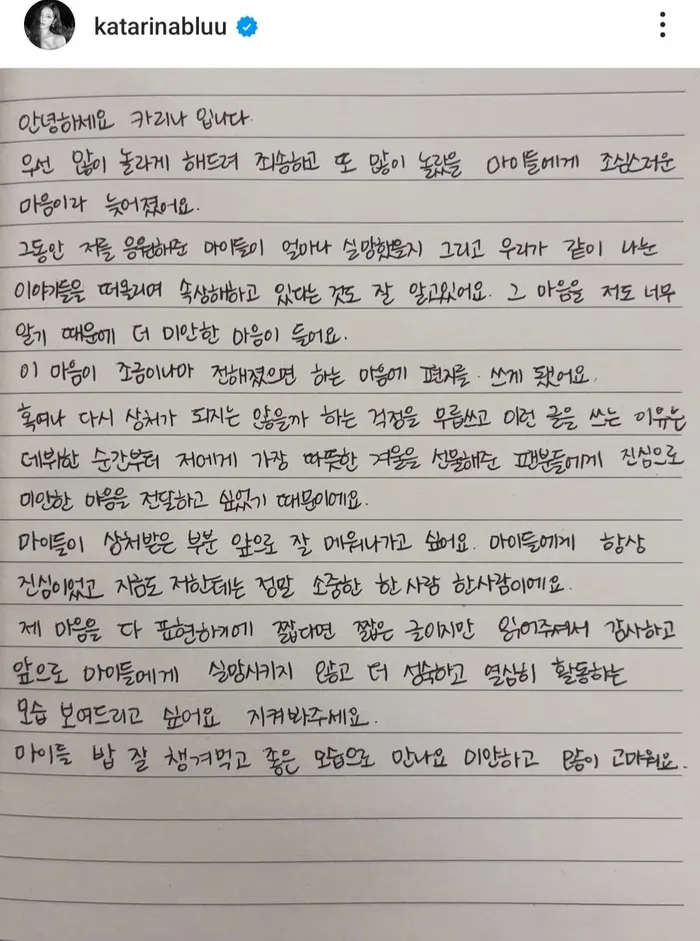
Dating remains perhaps the most explosive trigger in Korea. How grotesque is that? Trying to control one’s love and feelings…? When aespa’s Karina’s relationship with actor Lee Jae-wook was revealed in early 2024, the reaction was swift and brutal. Fans sent protest trucks to SM Entertainment demanding an apology(why?), and the media amplified every angle of the “betrayal.” Instead of defending her right to privacy, the narrative became about her “irresponsibility” to fans. The pressure culminated in Karina posting a handwritten apology—not for any wrongdoing, but for daring to have a personal life.
This pattern isn’t new. When BTS’s V (Kim Taehyung) was linked to BLACKPINK’s Jennie in 2022, or when various other idols’ relationships have been exposed, the media response follows a predictable script: sensationalized coverage, fan outrage amplification, and eventual contrition from the idol. The underlying message is clear—romantic relationships are a betrayal of the parasocial contract between idol and fan.
BTS’ V and BLACKPINK’s Jennie caught up in dating rumors again
The military service issue presents another fascinating case study. When BTS announced their military enlistment plans, Korean media coverage was notably more respectful than typical scandal reporting. This was partly because military service carries different cultural weight in Korea—it’s seen as patriotic duty rather than personal choice. Yet even here, every development was scrutinized, from Jin’s training photos to speculation about how the hiatus would affect their global career.
Remaining BTS members to begin military service next month
Bullying allegations represent perhaps the most destructive category. The cases of (G)I-DLE’s Soojin and former APRIL member Hyunjoo show how unverified claims can end careers. Media outlets report accusations without thorough fact-checking, creating public trials where the accused must prove their innocence rather than prosecutors proving guilt. The court of public opinion, amplified by media coverage, often delivers its verdict long before any official investigation concludes.
The Media’s Profitable Paradox
What strikes me most about Korean media’s treatment of idols is how systematically it creates and destroys the very thing it profits from. This isn’t accidental—it’s economically motivated.
The fandom economy drives much of this behavior. Positive coverage generates engagement from devoted fans, but scandal coverage generates even more intense reactions. A dating rumor or controversy can dominate headlines for weeks, driving traffic and ad revenue. Korean media knows that emotional intensity—whether love or hatred—translates directly to clicks and profits.
The concept of “right to know” often becomes a convenient excuse for privacy invasion. When Dispatch, Korea’s premier celebrity gossip outlet(the most famous paparazzi), releases their annual New Year’s dating reveals, it’s framed as public service journalism. But the reality is more complex—these revelations serve commercial interests while potentially devastating personal lives.
Privacy invasion has become normalized to an alarming degree. The activities of sasaeng fans (사생팬 : obsessive stalkers in Korean) are sometimes legitimized by media outlets hungry for exclusive content. When these outlets publish photos or information obtained through questionable means, they’re essentially rewarding invasive behavior.
The Impossible Standard of Moral Perfection
K-Pop idols face moral expectations that would be unreasonable for any human being. They’re expected to be role models 24/7, with their past and present behavior subject to constant scrutiny. A teenage mistake can destroy an adult career. A momentary lapse in judgment can end years of hard work.
The tragic death of ASTRO’s Moonbin in 2023 briefly forced the industry to confront these pressures. For a few weeks, there were thoughtful discussions about mental health, impossible standards, and the human cost of perfection. But the reflection was temporary—soon enough, the cycle resumed with new scandals and new victims.
This moral policing extends beyond major controversies to incredibly minor issues. An idol’s expression during a performance, their interaction with staff, their response to fan gifts—everything becomes evidence of their character. The media amplifies these micro-analyses, creating mountains from molehills and turning normal human behavior into moral failing.
The Global Dimension
As K-Pop’s international reach has expanded, Korean media’s portrayal of idols has gained unprecedented influence. International fans, lacking direct access to Korean culture and language, often rely on translated media reports to understand their favorite artists. This gives Korean media enormous power to shape global perceptions.
The challenge is that international audiences often don’t understand the cultural context behind certain controversies. What might seem like a minor infraction to Western fans could be considered seriously problematic in Korean society, and vice versa. Media coverage doesn’t always explain these nuances, leading to confusion and sometimes inappropriate responses from international fandoms.
Moving Toward Balance
The current system serves no one well in the long term. Idols suffer under impossible pressures, fans are manipulated into emotional extremes, and the industry becomes unsustainable as talented individuals are chewed up and spit out.
Change requires effort from multiple stakeholders. Media outlets need to be changed. A public institution called the Media Arbitration Committee(“언론중재위원회” in Korean) and a private organization called the Journalists’ Association(“기자협회” in Korean) are currently discussing ways to improve this issue, but there is still a long way to go.. Instead of manufacturing crises, journalism could focus on the structural issues that create these problems—training conditions, mental health support, privacy rights, and fair contractual practices.
Fans also bear responsibility. We need to develop more sophisticated media literacy, understanding how coverage is shaped by commercial interests rather than objective reporting. Supporting idols means recognizing their right to private lives, personal growth, and human imperfection.
The industry itself must evolve. Companies that currently profit from both creating and destroying idols need to consider the long-term sustainability of their practices.
Conclusion: Seeing the Human Behind the Performance
After years of watching this cycle repeat, I’ve come to believe that the most important thing we can do is remarkably simple: see K-Pop idols as complex human beings rather than perfect products or moral failures. They’re talented artists who deserve both professional respect and personal privacy. They’re young people navigating extraordinary pressures in the public eye. They’re individuals with the same rights to love, grow, and make mistakes as anyone else.
The Korean media’s two-faced treatment of idols reflects broader questions about celebrity, privacy, and human dignity in the digital age. How we answer these questions will determine not just the future of K-Pop, but the kind of society we want to build around public figures and entertainment culture.
The conversation is far from over, but it’s one worth having. Because behind every perfectly choreographed performance, there’s a person who deserves better than the extremes of worship and condemnation. They deserve the space to be brilliantly, imperfectly human.