Looking to learn Korean at a prestigious university in Korea? This comprehensive guide covers the best Korean language institutes from SKY universities to regional national universities, helping international students find the perfect program for their Korean language journey.
📚 SKY Universities Korean Language Institutes
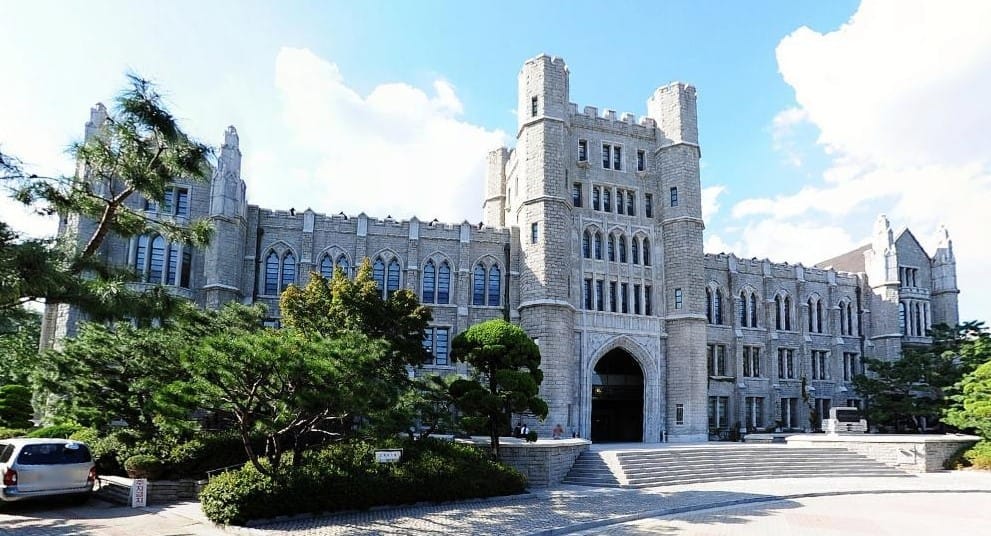
1. Seoul National University – Language Education Institute (LEI)
- Address: 1 Gwanak-ro, Gwanak-gu, Seoul 08826, Korea
- Location: Main campus in Gwanak district, Seoul
- Program Features:
- Regular course: 4 semesters per year (Spring, Summer, Fall, Winter)
- 6-level systematic curriculum (Levels 1-6)
- Advanced research course available after Level 6 completion
- Focus on integrated communicative competence
- Target Students: University/graduate school applicants, professionals seeking Korean for business
- Website: lei.snu.ac.kr
2. Yonsei University – Korean Language Institute (KLI)
- Address: Room 201, 50 Yonsei-ro, Seodaemun-gu, Seoul 03722, Korea
- Contact: +82-2-2123-3449 / +82-2-2123-8496
- Program Features:
- Regular course + University Korean course
- University Korean course: Specialized program for current/prospective university students
- Focus on academic Korean skills and university life preparation
- 3-week intensive courses and online global Korean programs available
- Special Features: Efficient acquisition of Korean skills needed for university studies
- Website: www.yskli.com
3. Korea University – Korean Language Center (KLC)
- Address: Anam-dong, Seongbuk-gu, Seoul 02841, Korea
- Program Features:
- Regular course, short-term course, intensive course
- Youth summer school program
- Commissioned and special courses, private tutoring available
- KU-KFOP (Korea University-Korean Foundation Overseas Program)
- Rich cultural experience and special activity programs
- Website: klc.korea.ac.kr
🏫 Major Private Universities Korean Language Institutes
4. Sogang University – Korean Language Education Center (KLEC)
- Address: 35 Baekbeom-ro, Mapo-gu, Seoul 04107, Korea
- Program Features:
- Korean for General Purpose (KGP200) program
- Focus on real-life communication skills
- Afternoon programs for practical Korean learning
- Home of the famous Sogang Korean textbook series
- Website: klec.sogang.ac.kr
5. Sungkyunkwan University – SKKU Korean Language Institute
- Address: 25-2 Sungkyunkwan-ro, Jongno-gu, Seoul 03063, Korea (Humanities & Social Sciences Campus)
- Program Features:
- Education environment blending tradition and modernity
- Systematic Korean language curriculum
- Comprehensive learning combined with cultural experience programs
- Website: koreansli.skku.edu
6. Kyung Hee University – International Education Institute
- Address: 26 Kyungheedae-ro, Dongdaemun-gu, Seoul 02447, Korea (Seoul Campus)
- Program Features:
- Exchange opportunities with diverse international students
- Integrated programs combining cultural experience and language learning
- Seasonal special programs
- Additional Campus: Global Campus in Yongin, Gyeonggi Province
7. Hanyang University – International Language Institute
- Address: 222 Wangsimni-ro, Seongdong-gu, Seoul 04763, Korea (Seoul Campus)
- Program Features:
- Practical Korean education leveraging the university’s engineering strengths
- Various major-linked Korean learning opportunities
- Modern educational facilities and methodologies
- Additional Campus: ERICA Campus in Ansan, Gyeonggi Province
8. Konkuk University – Language Education Institute
- Address: 120 Neungdong-ro, Gwangjin-gu, Seoul 05029, Korea (Seoul Campus)
- Program Features:
- Systematic step-by-step Korean education
- Programs combining cultural understanding and practicality
- Central Seoul location with excellent accessibility
- Additional Campus: Glocal Campus in Chungju, Chungbuk Province
🌏 Regional National Universities Korean Language Institutes
9. Pusan National University – Language Education Institute
- Address: 2 Busandaehak-ro 63beon-gil, Geumjeong-gu, Busan 46241, Korea
- Program Features:
- Leading Korean language education institute in Busan region
- Exchange with students of diverse nationalities
- Busan regional culture experience programs
- Website: lei.pusan.ac.kr
10. Kyungpook National University – Language Education Institute
- Address: 80 Daehak-ro, Buk-gu, Daegu 41566, Korea
- Program Features:
- Hub university for Daegu-Gyeongbuk region
- Traditional and systematic Korean language education
- Learning programs linked with regional culture
- Website: lei.knu.ac.kr
11. Chonnam National University – Language Education Institute
- Address: 77 Yongbong-ro, Buk-gu, Gwangju 61186, Korea
- Program Features:
- Representative national university of Honam region
- Korean language and culture education featuring regional characteristics
- Various scholarship benefits and support programs
- Website: lei.jnu.ac.kr
12. Chungnam National University – Language Education Institute
- Address: 99 Daehak-ro, Yuseong-gu, Daejeon 34134, Korea
- Program Features:
- Hub university for Daejeon-Chungcheong region
- Education reflecting the characteristics of a science and technology-centered city
- Systematic Korean language curriculum
- Website: lei.cnu.ac.kr
13. Jeonbuk National University – Language Education Institute
- Address: 567 Baekje-daero, Deokjin-gu, Jeonju, Jeollabuk-do 54896, Korea
- Program Features:
- Representative national university of Jeollabuk-do
- Utilizing Jeonju’s rich traditional culture characteristics
- Learning linked with Korean traditional culture experience
- Website: lei.jbnu.ac.kr
14. Kangwon National University – Language Education Institute
- Address: 1 Kangwondaehak-gil, Chuncheon, Gangwon-do 24341, Korea
- Program Features:
- Located in Chuncheon with excellent natural environment
- Experience Korea’s four distinct seasons while studying
- Small-scale intensive education possible
- Website: lei.kangwon.ac.kr
15. Jeju National University – Language Education Institute
- Address: 102 Jejudaehak-ro, Jeju-si, Jeju-do 63243, Korea
- Program Features:
- Utilizing characteristics of international tourist destination Jeju Island
- Practical Korean conversation practice opportunities with diverse tourists
- Experience unique Jeju Island culture
- Website: lei.jejunu.ac.kr
16. Keimyung University – Korean Language Institute
- Address: 1095 Dalgubeol-daero, Dalseo-gu, Daegu 42601, Korea
- Program Features:
- Vision of “Opening the Light to the World”
- Korean language education with international perspective
- Various cultural exchange programs
- Website: kli.kmu.ac.kr
🌟 Conclusion
Korea’s university-affiliated Korean language institutes each offer unique characteristics and advantages. SKY universities provide top-tier educational quality and prestigious reputation, major private universities offer specialized programs and practicality, while regional national universities provide local cultural characteristics and cost-effectiveness.
Whether you’re looking to pursue higher education in Korea, advance your career, or simply immerse yourself in Korean culture, these institutes offer world-class Korean language education combined with rich cultural experiences. Each program provides not just language skills, but also deep insights into Korean society, history, and contemporary culture.
For the most up-to-date information on programs, schedules, and application procedures, please visit each institute’s official website or contact them directly.